Uploaded by Neil Sargisian on November 3, 2026 at 9:30 am
How IQ Levels Shape the Way We See the World
Does IQ shape how you see the world?
IQ levels aren’t just numbers on a test—they’re lenses through which we experience reality. A new video from Psych Atlas explores how people at different IQ levels perceive and interact with the world in fundamentally different ways.
IQ levels influence more than cognitive performance—they shape perception, communication, and lived experience. In the video [IQ 70 vs IQ 160] How Brilliant Minds See a Different World, Psych Atlas explores how intelligence isn’t just about problem-solving, but about how individuals interpret and respond to their environment.
Photo: Timothy Bates (President of ISIR, International Society for Intelligence Research), CC BY 3.0, via Wikimedia Commons
Perception at Different IQ Levels
At IQ 70, a person may struggle with abstract concepts like dividing a cake into equal parts or reading contracts. This is not due to laziness, but to cognitive limitations. The video explains how this level is often misunderstood, with people wrongly assumed to be unmotivated. In reality, they live in a world that moves faster than they can process.
The table with a cake and three papers symbolizes an IQ test experiment, highlighting the cognitive differences in how individuals perceive and solve problems.
Meanwhile, someone with an IQ of 160 may experience a different kind of isolation. Their ideas are complex and abstract, often difficult for others to grasp. The video notes that even the highest IQs can’t “see” what others don’t, creating challenges in communication and connection.
What IQ Levels Reveal About Society
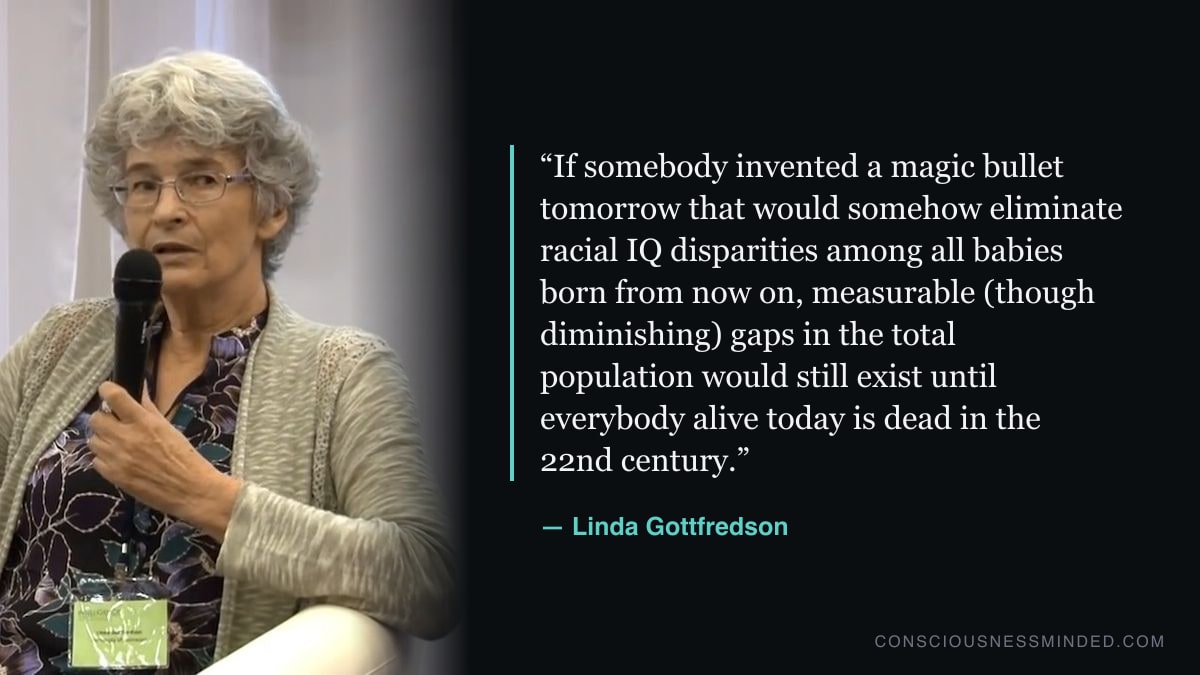
IQ levels reflect how individuals experience reality. The video draws from the work of psychologist Linda Gottfredson, who has written extensively on how intelligence affects societal structures. According to the Flynn effect, IQ scores have risen over time, likely because of greater exposure to abstract thinking in modern life.
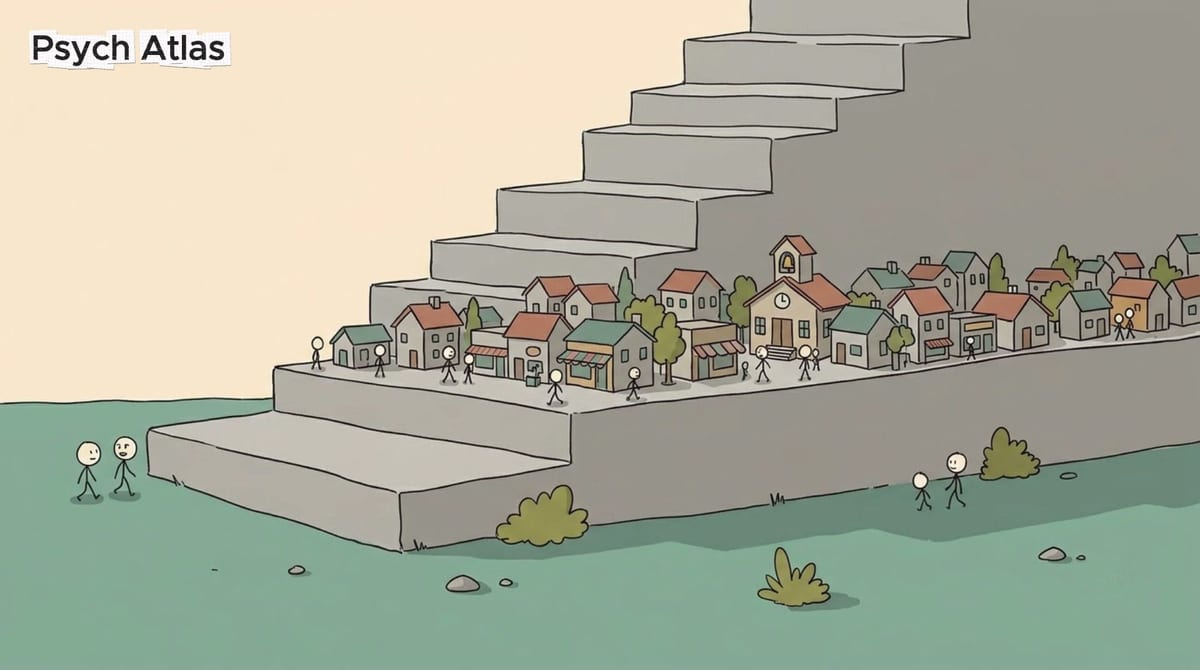
The village on the steps represents how societal structures cater to a broad range of intelligence levels, ensuring accessibility for all.
At IQ 130, people often feel ahead of their peers but misunderstood. Leta Hollingworth noted that gifted individuals can struggle in traditional education because their pace outpaces the system. The video shows how these differences shape both personal and social experiences.
Whether at the lower or upper ends of the scale, the video argues that IQ is a window into perception. It’s not just about how smart someone is, but about the world they experience and the challenges they face quietly. Understanding IQ levels is essential—not just for psychology, but for empathy and better social design.
Please consider donating. Our contributors depend on donations from viewers like you to keep our website alive. We're very grateful for even the smallest donations.














)
Comments