Psychedelics Reveal How the Brain Constructs Reality | Sam Harris
Uploaded by Neil Sargisian on November 7, 2026 at 12:45 am
Psychedelics Reveal How the Brain Constructs Reality | Sam Harris
What if your reality is just a controlled hallucination?
What if the world you perceive is not objective, but a simulation created by your brain? This video argues that psychedelics don’t distort reality — they reveal how the brain constructs it. Explore the neuroscience and philosophy behind perception and consciousness.
Sam Harris’s documentary Unraveling the Dream challenges the assumption that what we see is real. It argues that perception is a controlled hallucination — a prediction-based simulation the brain generates to make sense of the world. Through neuroscience, philosophy, and interviews with experts, the film explores how psychedelics can temporarily dissolve the illusion of a solid, objective reality.
Anil Seth (Photo: Carlos Figueroa Rojas, CC BY-SA 4.0, via Wikimedia Commons
Psychedelics and the Brain’s Construction of Reality
In 1953, Aldous Huxley experimented with mescaline and described his experience as a confrontation between ego and a divine, all-encompassing reality. He believed the brain functions like a reducing valve, filtering out a broader experience of existence. The film revisits Huxley’s insights in light of modern neuroscience, particularly the free energy principle proposed by Karl Friston.
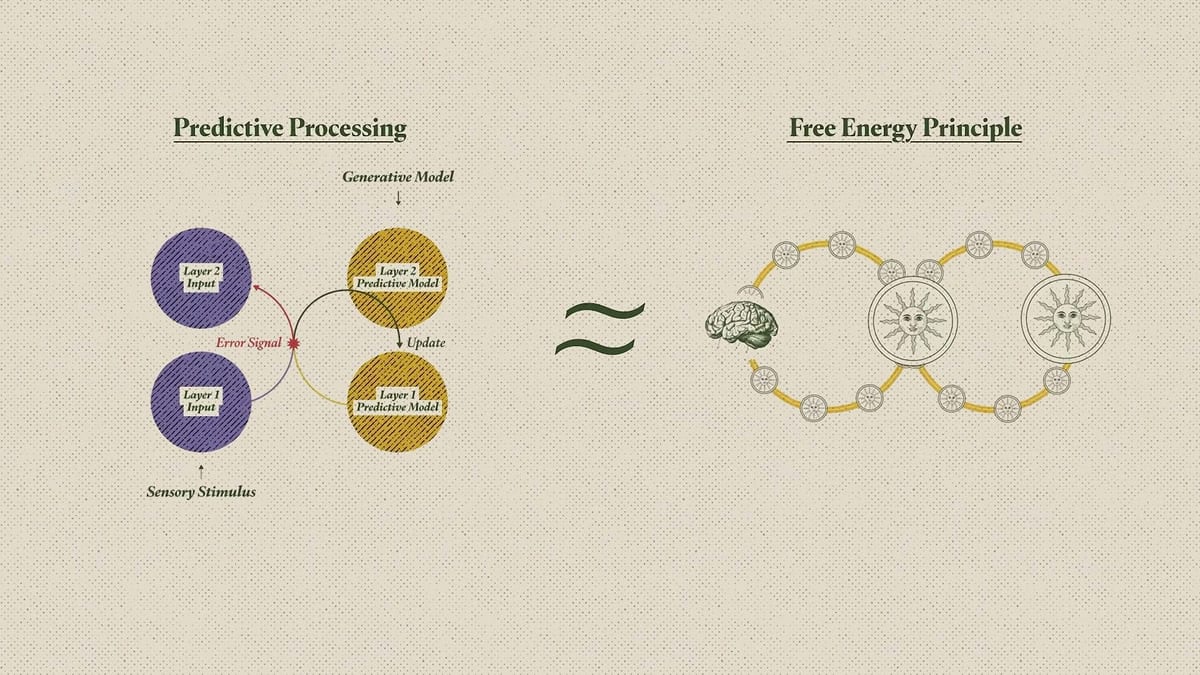
This principle explains how the brain minimizes entropy by predicting sensory input and reducing prediction error. In this framework, perception is not a direct reflection of the world but an active inference. Psychedelics, the film argues, disrupt these predictive models, revealing the brain’s normally hidden work of constructing what we call “reality.”
The brain's predictive processing and free energy principle are visualized, highlighting how it minimizes prediction error to construct reality.
What Happens When the Ego Dissolves?
The film explores what occurs when the sense of self — or ego — begins to fall apart under the influence of psychedelics. Without this central framework, the boundary between self and world blurs. This experience can feel mystical or transcendent, challenging long-held ideas about identity and consciousness.
Sam Harris, known for his work on meditation and the nature of consciousness, explores these themes through interviews with neuroscientists like Anil Seth and Robin Carhart-Harris. Seth, a leading figure in cognitive neuroscience, argues that the brain generates a model of the world rather than passively receiving it. Under psychedelics, this model loosens, offering a glimpse into how the brain normally simulates reality.
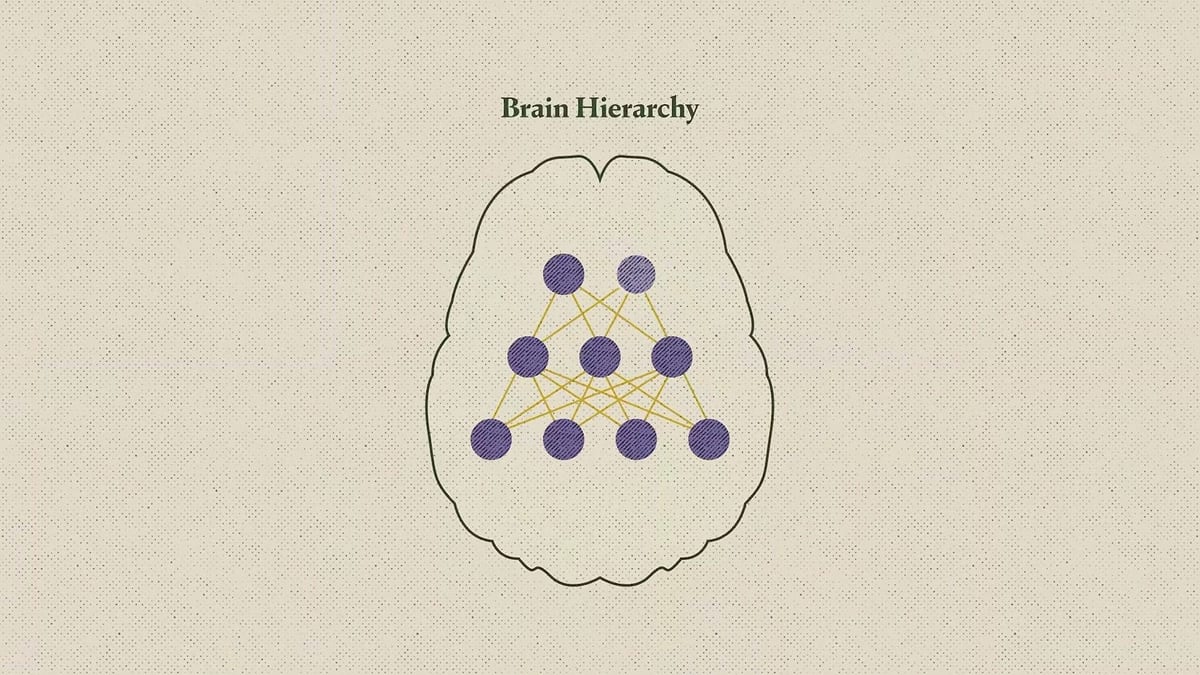
The brain hierarchy, depicted as a network of interconnected nodes, symbolizes how psychedelics can dismantle hierarchical structures and reveal repressed information.
The documentary also draws on the history of psychedelic use, from Albert Hofmann’s first LSD experience in 1943 to R. Gordon Wasson’s 1955 journey to Mexico with psilocybin mushrooms. These early explorers saw psychedelics as a gateway to a more expansive understanding of existence — a vision that has yet to fully materialize in mainstream culture.
Harris frames the film with a question: if we can see through the illusion of a solid self, how do we live in the world differently? The answer is not straightforward, but the journey offers profound insights into the nature of perception, the self, and what it means to be conscious.
What if your reality is just a controlled hallucination?
What if the world you perceive is not objective, but a simulation created by your brain? This video argues that psychedelics don’t distort reality — they reveal how the brain constructs it. Explore the neuroscience and philosophy behind perception and consciousness.
Sam Harris’s documentary Unraveling the Dream challenges the assumption that what we see is real. It argues that perception is a controlled hallucination — a prediction-based simulation the brain generates to make sense of the world. Through neuroscience, philosophy, and interviews with experts, the film explores how psychedelics can temporarily dissolve the illusion of a solid, objective reality.
Anil Seth (Photo: Carlos Figueroa Rojas, CC BY-SA 4.0, via Wikimedia Commons
Psychedelics and the Brain’s Construction of Reality
In 1953, Aldous Huxley experimented with mescaline and described his experience as a confrontation between ego and a divine, all-encompassing reality. He believed the brain functions like a reducing valve, filtering out a broader experience of existence. The film revisits Huxley’s insights in light of modern neuroscience, particularly the free energy principle proposed by Karl Friston.
This principle explains how the brain minimizes entropy by predicting sensory input and reducing prediction error. In this framework, perception is not a direct reflection of the world but an active inference. Psychedelics, the film argues, disrupt these predictive models, revealing the brain’s normally hidden work of constructing what we call “reality.”
The brain’s predictive processing and free energy principle are visualized, highlighting how it minimizes prediction error to construct reality.
What Happens When the Ego Dissolves?
The film explores what occurs when the sense of self — or ego — begins to fall apart under the influence of psychedelics. Without this central framework, the boundary between self and world blurs. This experience can feel mystical or transcendent, challenging long-held ideas about identity and consciousness.
Sam Harris, known for his work on meditation and the nature of consciousness, explores these themes through interviews with neuroscientists like Anil Seth and Robin Carhart-Harris. Seth, a leading figure in cognitive neuroscience, argues that the brain generates a model of the world rather than passively receiving it. Under psychedelics, this model loosens, offering a glimpse into how the brain normally simulates reality.
The brain hierarchy, depicted as a network of interconnected nodes, symbolizes how psychedelics can dismantle hierarchical structures and reveal repressed information.
The documentary also draws on the history of psychedelic use, from Albert Hofmann’s first LSD experience in 1943 to R. Gordon Wasson’s 1955 journey to Mexico with psilocybin mushrooms. These early explorers saw psychedelics as a gateway to a more expansive understanding of existence — a vision that has yet to fully materialize in mainstream culture.
Harris frames the film with a question: if we can see through the illusion of a solid self, how do we live in the world differently? The answer is not straightforward, but the journey offers profound insights into the nature of perception, the self, and what it means to be conscious.
Please consider donating. Our contributors depend on donations from viewers like you to keep our website alive. We're very grateful for even the smallest donations.







)
Comments